passive house design, every time
When we can affordably build at the highest standard for energy efficiency and living comfort, there’s no reason to do it any other way. All projects at north river are designed and built to passive house standards.
what is a passive house?
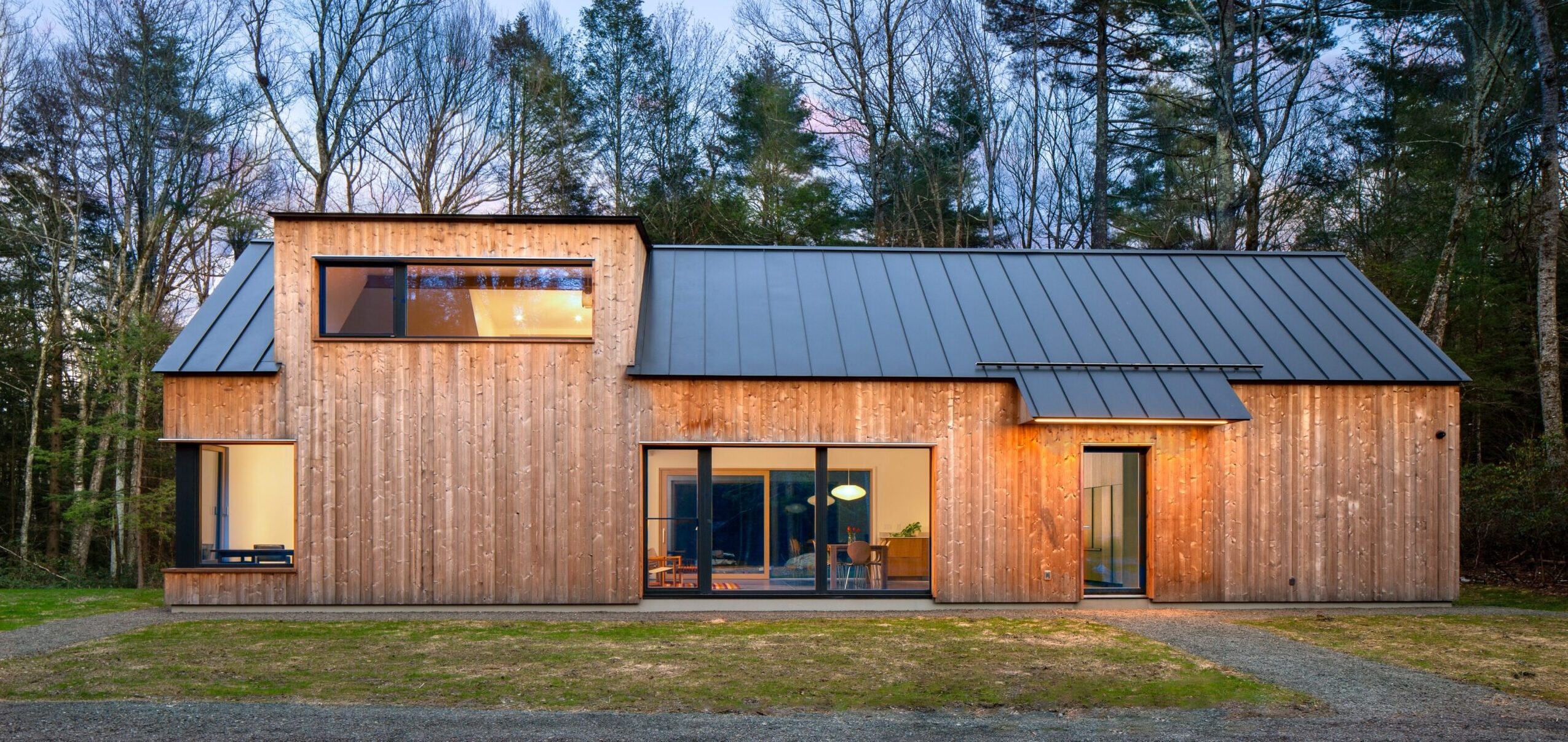
Passive homes follow a set of design principles to maximize energy efficiency and eliminate the need for fossil-fuel-driven heating and cooling systems. This means the building must produce and conserve enough of its own energy to keep the interior comfortable with no outside energy costs—aka no gas or electric bills. Passive house design can fit different sizes, shapes, and styles so long as they achieve appropriate standards for efficiency, affordability, and environmental friendliness.
First explored by German architect, Wolfgang Feist, Passive house construction was officially established by the Passivhaus Institute in 1996. Now, the Institute continues to research and develop low-energy construction strategies while regulating passive house certification around the globe.
five passive house principles
While there are detailed criteria passive house builders must meet to acquire certification, there is no singular passive house design or construction method. Instead, five core passive house principles guide architects and builders in their choices.


insulation
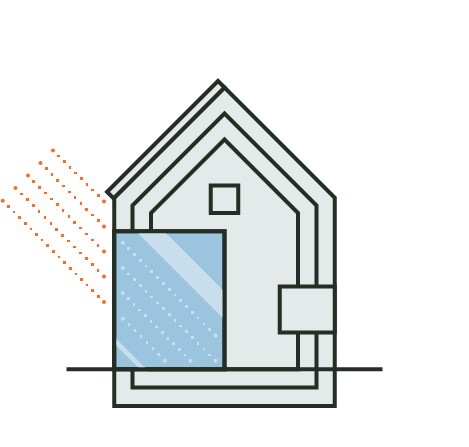
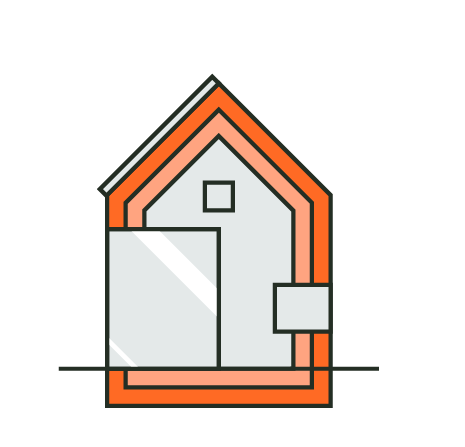
One of your home’s primary functions is to maintain a comfortable temperature no matter the season or weather. We accomplish this without the need for heating and cooling systems in part by installing high performance insulation throughout the exterior of your home to create a superior thermal envelope. Our knowledge of the Hudson Valley directs us in selecting the right depth and placement of insulation to achieve an appropriate R-value for our bioregion.
high efficiency windows
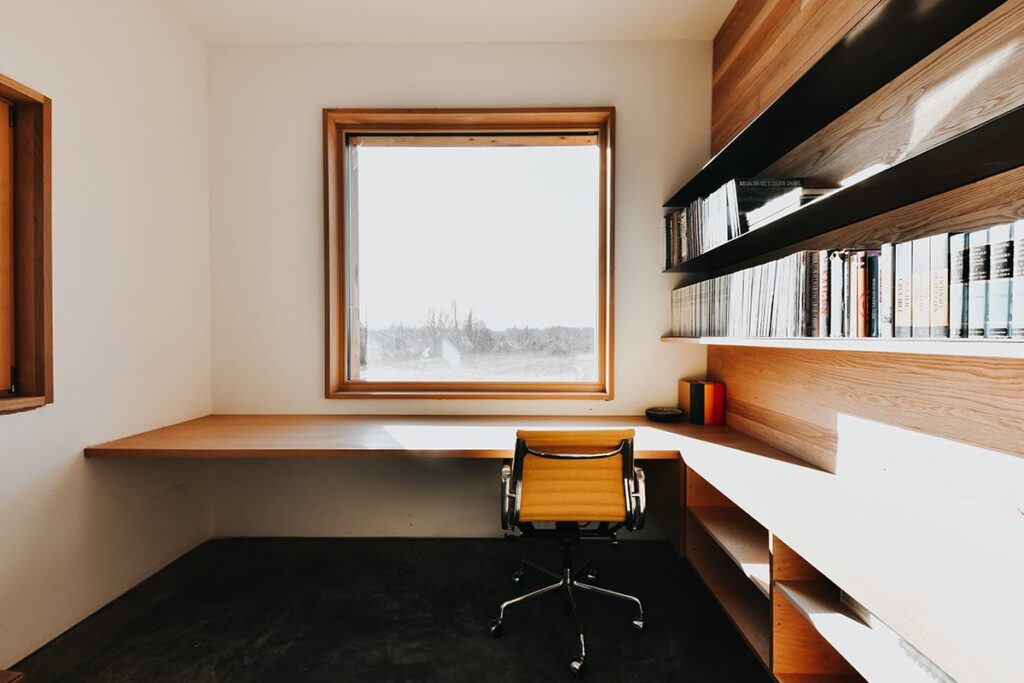
Openings like windows and doors are just as important in regulating your home’s temperature. We install passive house certified windows with low-E coatings and triple glazing, plus well insulated frames that prevent thermal bridging.
ventilation
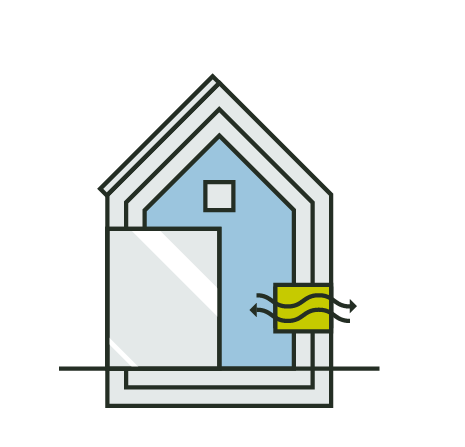
Exceptional indoor air quality is a key passive house principle, achieved with efficient mechanical ventilation systems that continually circulate fresh air without causing drafts. Passive house ventilation systems also recover heat as air is exchanged, capturing at least 75% of heat from outgoing stale air and transferring it to the incoming fresh air.
airtightness
Insulation and windows plus high-tech seam taping contribute to airtight passive house construction and minimum uncontrolled air leakage. Our passive homes pass a blower door test with an air-leakage rate of less than 0.6 air changes per hour.
minimize thermal bridging
Each of these passive house design elements reduce the weak spots in your home’s building envelope. Our passive house construction takes this to the next level, carefully planning all edges, corners, connections, and penetrations in your home’s structure to avoid thermal bridges.
bringing passive house design and net zero together
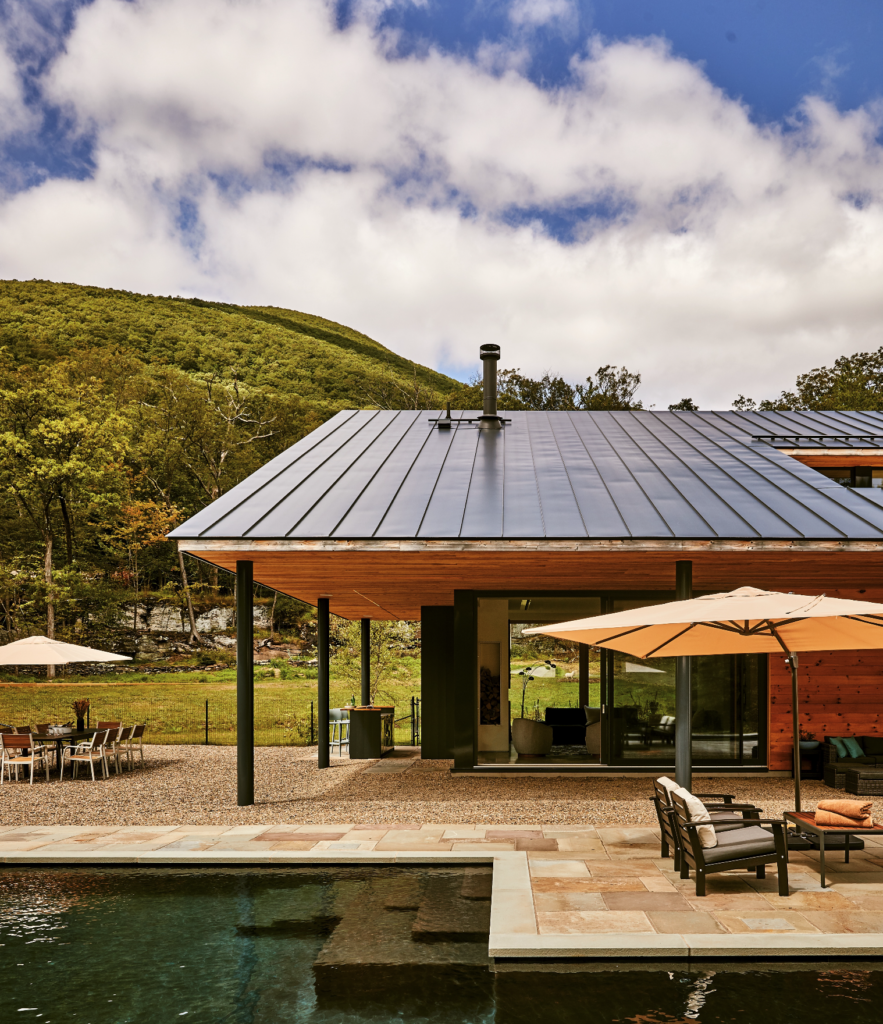
While passive house construction promises up to 90% energy savings compared to traditional builds, we at North River know that our homes can offer even more. In addition to following passive house standards, we build all our Hudson Valley homes to be net zero, meaning 100% of your energy needs are met without fossil fuels. Our special ingredient? The sun.
passive and active solar
When we design a project, we make every consideration to optimize the use of solar panels, transforming the energy of the sun into electricity. You may even choose to add extra solar panels to make your home net positive. We also design for passive solar, positioning your home and its windows to bring the warmth of the sun in during cold winter days. Together, your North River home will create as much renewable energy as it consumes each year.
carbon capture
We also recognize the role we, as passive house builders, play in creating a climate resilient future. We consider not just the carbon footprint of your home during the building process, but all the ways it can contribute positively to this environment we share throughout its lifespan. This can mean designing for elements like wildflower gardens that preserve biodiversity, seeding patterns that allow you to grow more of your own food, or including the regular charging of your EV in our solar panel calculations.
passive house certification
When you work with North River, you receive the energy performance of passive house design. We leave it up to you to choose if you’d like to have your home certified by the Passive House Institute. This additional administrative process typically comes with a $10-20k expense, depending on the project size.
Passive house certification keeps this high standard of design from being watered down in the marketplace and helps drive the net zero housing movement towards the mainstream, making climate resilient construction more accessible to all. It is an investment and guarantee of quality that can also increase your potential resale value. However, we fully support your choice to forgo certification and instead invest those same funds back into the house itself. In fact, we find that 75% of our clients opt out of passive house certification in favor of enhancing their vision for sustainable living.
explore passive house plans
Our FLEXHOUSE system offers a series of four passive house plans that hit the sweet spot of energy performance, affordability, and customization. Explore these adaptable passive house plans to give you a base, then work with our team to design the rest to fit your needs and lifestyle. We also offer 100% custom passive house design services for those interested in starting from scratch.