
first steps to building a home in the Hudson Valley
Home is just as much about the land as it is about the building itself. It all starts with shopping for the right parcel and careful construction site planning.
a conversation
With 40+ years designing & building homes rooted in place, we can guide you in buying land to build a house in the Hudson Valley and other essential steps for getting started.
If you’re here, it’s probably because you’re in that crucial first stage of building your dream home: information gathering. We’re practical, transparent, and low-key communicators, and there are no dumb questions when it comes to one of the largest decisions you will make. There’s nothing quite as helpful as an informal conversation and we encourage you to give us a call. You can also email us some thoughts and questions and we’ll follow up to point you in the right direction.
We hope to serve as a resource on your journey to a complete home. Here are a few helpful places you can start without ever leaving your couch:
buying land to build a house
Projects with North River officially start when you have a real house site for which we can determine unique needs and plans. If you already own a parcel in the Hudson Valley, skip ahead to find info on residential site planning or read our 3 phase design build process.
If you haven’t yet purchased land in New York, we can help you with this process too. We love being involved in your home’s development from the ground up and often work informally with clients to find the right piece of land in the Hudson Valley, from the Capital Region to the lower Hudson Valley.
what to look for when buying land
If you’re in the market for land, it’s important to know what makes a property buildable, not just beautiful. Evaluating land for sale in Hudson Valley, NY is much different than browsing existing homes on the real estate market. You can’t rely on familiar features like a sweeping front porch or a sun-filled kitchen to trigger your interest. Imagination is key, but it helps to keep a few practical factors in mind:
- Zoning & Restrictions: Local zoning laws determine how a piece of property can be used and developed. Not all land is zoned for residential use and individual plots follow local regulations that affect your potential home’s size, setbacks from roads & property lines, and the ability to have accessory structures. Most often, you’ll be shopping for land classified as R-1 (single-family residential) but you may also explore Rural Residential or Mixed Use plots.
- Topography: The shape and characteristics of the land are directly correlated with your home’s design and construction costs. Sloped land, poor drainage, or rocky terrain are all things we must consider in building site planning. Being aware of the existing conditions of the property will help you adapt your vision to the land.
- Utilities & Access: Does the site already have water, electricity, or a connection to the city sewer system? Is there a road to access the property and/or a driveway already established? Knowing these answers will determine what resources must be gathered before building your home.
- Environmental Considerations: Consider proximity to wetlands, protected habitats, or flood zones. They may affect buildability, future resilience, or shape how you steward your land. Check plots using resources like FEMA’s flood maps or NY State’s Environmental Resource Mapper.
- Price: All of the above factors should be weighed with the price of the lot as land cost can vary significantly.
As you explore different properties, you’ll naturally start to recognize what makes a site feel right—not just aesthetically, but practically. Each plot you visit will refine your eye for key details and help you make a more informed decision.
It can also help to have some guidance, especially if this is your first time buying land for a home. With decades of experience designing and building in the Hudson Valley, we know what to look for when buying land and can help you assess parcels from a trained perspective. We love to walk the terrain with future landowners as they consider their various options, permitting challenges, and long-term building site planning for developing their land carefully and with respect for what is already there.
We build homes for clients throughout the Hudson Valley and consult on projects as far away as Patagonia. If you’re searching for or have already purchased land in the following counties, get in touch with us about creating a comfortable, climate-resilient home with the North River team. Our Hudson Valley-based team includes projects in:
- Albany
- Rensselaer
- Greene
- Columbia
- Ulster
- Dutchess
- Orange
- Putnam
- Rockland
- Sullivan
- Westchester
- Berkshire
- Bergen
master construction site planning
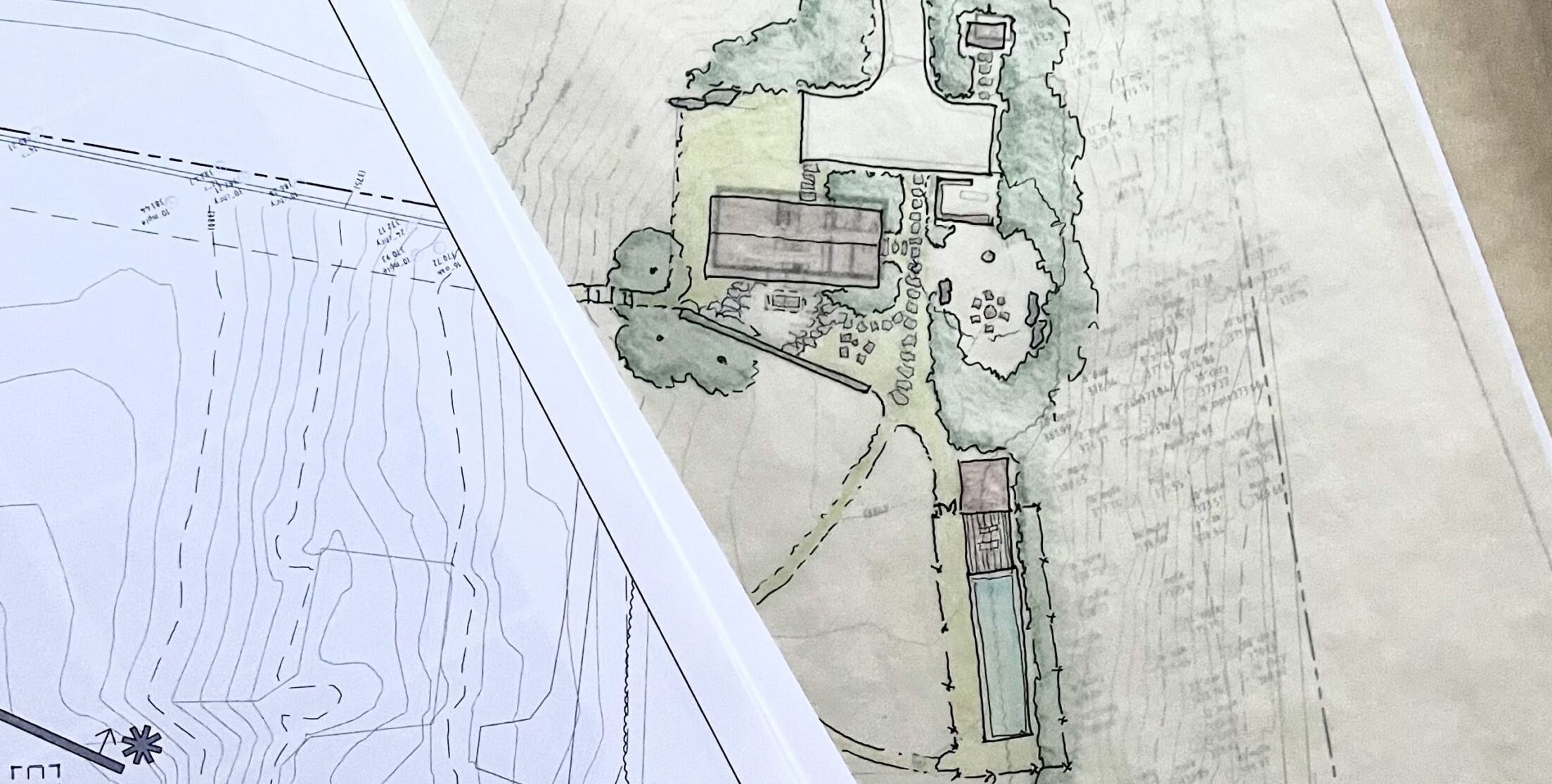
Good design begins with good long-term planning. Once you have land, residential site planning ensures your home design works with the land’s unique features while meeting local regulations. We gather info on the resources that will be needed for the project, the sunlight on your plot, building materials, the project’s impact on the natural community, and much more. The residential site planning stage can include:
- Mapping: Especially for projects that include multiple structures like sheds, pool houses, or ADU’s this step ensures everything works together and accounts for future expansion.
- Placement: Optimizing your home’s orientation on the plot for solar energy, gorgeous views, and good drainage.
- Access Design: Planning your driveway, walkways, and utility connections for smooth entry and efficient future repairs.
- Landscaping: We consider what natural elements to preserve like mature shade trees, rock formations, water features, natural windbreaks, and more.
For larger, phased projects, North River provides full master construction site planning services for single homes, commercial land use projects, and everything in between. We frequently present projects to local planning boards for final site plan approvals, and shepherd them through sometimes long-term negotiations with relevant agencies and authorities to get our shovels in the ground.
permitting and approval
The permitting process is different for each town or county in the Hudson Valley, but most single-family homes can obtain the necessary permits for their project within a few weeks or months of application. We handle all permitting and approval on our design build projects and benefit from 40+ years of familiarity with local regulations.
Permit fees are set by local governments, with urban areas and high-demand regions often costing more. The size and scope of your project also impact the costs of permits with most fees calculated based on square footage. When all is said and done, building permit fees make up a small percentage of the total construction cost. We always include permit fees in our project estimates so there are no unexpected costs.
our full design build process
As a design build architecture firm, we take on every element of your home’s construction from start to finish. While vetting and buying land to build a house is an essential first step, it can also help to know what comes next. We break our sustainable home-building process into three core phases:
- Feasibility study: 1-2 months
- Architectural drawings: 4-6 months
- Construction: 12-18 months
FAQs about getting started on home construction
How much land do I need to build a house?
Local zoning regulations determine the minimum lot size required for single family residences. As a rule of thumb, the higher the existing housing density, the smaller the minimum lot size. For example, highly populated cities may require only a few thousand square feet whereas suburban or rural areas may require half an acre or more. Most town or county websites will have resources on zoning codes available online and your land broker should be able to help you find appropriate lots based on your desired home size.
Do you work on land with existing structures?
The short answer is yes. If an existing structure needs to be torn down, there will be additional demolition permits, utility disconnections, and time needed before your new home construction can begin. We can also build your new, net-zero home alongside an existing structure like a beautiful historic barn as long as lot size allows.
How do you prepare land for building?
Clearing the site, grading the land, connecting utilities, and ensuring road access are the primary steps in preparing land for construction.
How long are building permits good for?
In most counties, permits are valid for 6 months to 2 years, depending on local regulations, with the potential for extension.